Increased demand during colder months often exposes early failure signs.
Geysers operate under consistent pressure throughout the year.
However, colder weather significantly increases demand, placing additional strain on already stressed components.
This is when underlying issues typically surface.
Why Failures Occur in Winter
During colder periods:
Water temperature differentials increase
Heating cycles become more frequent
Internal pressure fluctuations intensify
If sediment buildup, wear, or corrosion is already present, these conditions accelerate failure.
Early Warning Signs
Geysers rarely fail without indication.
Common signs include:
Unusual rumbling or popping sounds
Slower heating performance
Visible leaks or moisture around the unit
Increased electricity usage
These signals are often ignored until failure occurs.
From the Field
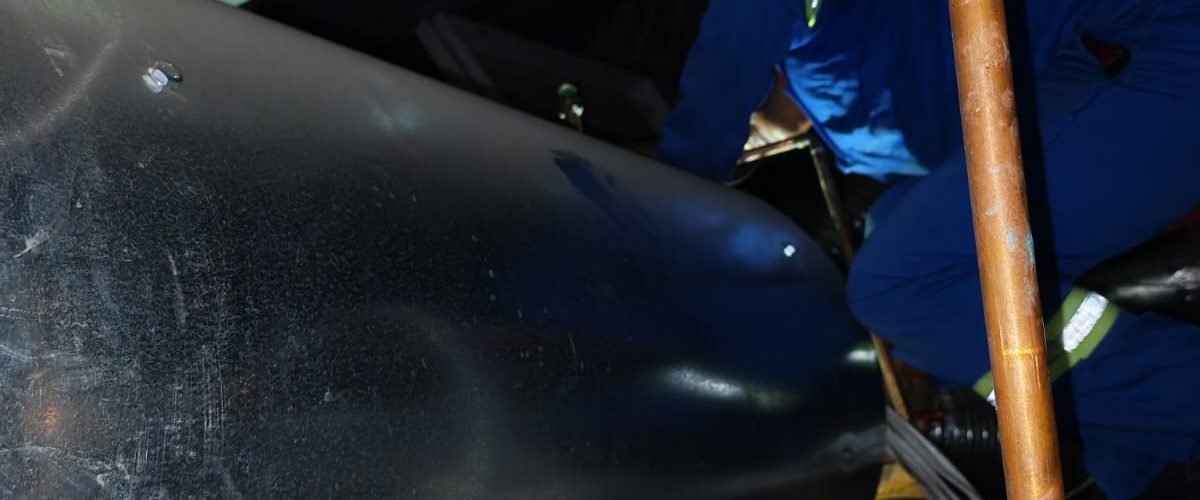
A recent replacement involved a unit that had shown early warning signs for several months. Noise and inconsistent heating were present, but not addressed.
The eventual failure resulted in:
Full geyser replacement
Water damage to surrounding areas
Higher-than-necessary costs
Preventative Measures
Schedule periodic inspections
Address unusual sounds early
Flush systems where sediment buildup is suspected
Preventative maintenance extends lifespan and reduces risk.
Key Takeaway
Geyser failure is rarely sudden.
It is typically the result of delayed action on early indicators.
👉 Need Guidance?
If your geyser is showing any of these signs, it’s worth addressing sooner rather than later.